
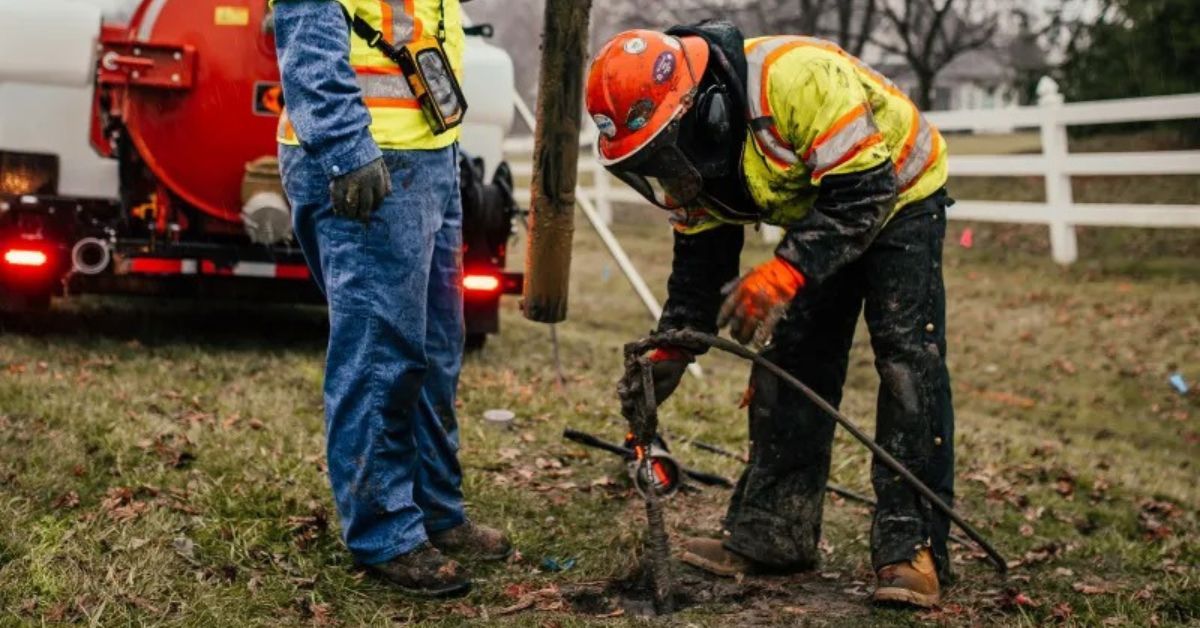
Winter presents a unique set of challenges for the construction and utility industries. As temperatures drop and the ground freezes, traditional excavation methods—which rely on mechanical force—become increasingly complex, dangerous, and slow. The hardened soil resists backhoes and shovels, turning routine digging projects into logistical nightmares. Yet, broken pipes, utility installations, and emergency repairs require a solution that remains effective regardless of the thermometer reading.
Enter hydro excavation. By utilizing heated, pressurized water with a powerful vacuum system, hydro excavation cuts through frozen ground with precision and speed that mechanical excavators cannot match. Keep reading to understand why hydro excavation is ideal for cold-weather jobs.
Understanding the Hydro Excavation Process
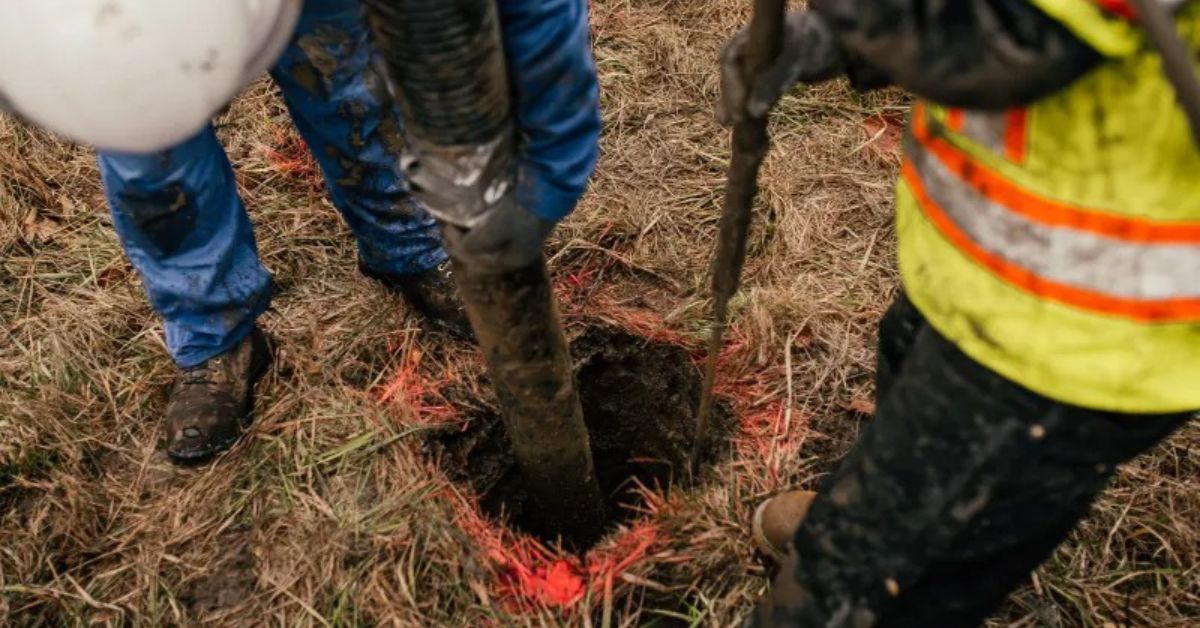
To understand why hydro excavation is effective in freezing temperatures, it is necessary to examine its mechanics. The process utilizes high-pressure water to liquefy soil into a slurry, which a high-flow vacuum system then removes and deposits into a debris tank. This non-destructive method creates a precise excavation without the brute force mechanical digging requires. By using heated water, the system thaws the ground as it excavates, enabling swift, accurate penetration of frost layers.
This technique is fundamentally different from mechanical methods that use buckets and teeth to break apart the ground. Traditional excavators struggle against frozen soil, often requiring hazardous thawing techniques or excessive force that can damage underground utilities. Hydro excavation, also known as "potholing" or "daylighting," enables the safe exposure of sensitive infrastructure such as gas lines and fiber-optic cables. This capability is invaluable in winter conditions, as it eliminates the risk of direct contact with solid metal equipment.
Advantages of Hydro Excavation in Cold Weather
Preventing Frozen Ground Issues
Hydro excavation is ideal for cold-weather jobs because frozen soil creates an almost impenetrable layer for conventional digging equipment. Operators must resort to burning wood or coal on the surface to thaw the ground, a process that consumes days and creates environmental hazards. Alternatively, they might use heavy machinery to chip away at the surface, which causes excessive vibration and equipment wear.
Hydro excavation eliminates these inefficiencies. The water heaters on hydro vac trucks can significantly raise the water temperature. When this heated water contacts the frozen ground, it instantly cuts through the frost layer. The thermal energy transfers to the soil, melting ice bonds and allowing water pressure to fracture the soil.
Reducing Risk of Utility Damage
The hardness of frozen ground forces heavy machinery operators to apply more downward pressure to break the surface. This loss of tactile feedback increases the risk of a "line strike"—accidentally hitting a buried utility. In winter, the ground does not give way easily, so by the time an operator realizes they have struck an obstruction, it may be too late.
Hydro excavation eliminates the need for blunt-force excavation. The water pressure is strong enough to break up soil, but operators can calibrate it to avoid damaging non-porous materials such as pipes or cables. The water safely exposes the utility in frozen earth without risking a bucket tooth tearing through a gas main or crushing a sewer pipe. This precision is critical in winter when utility lines may be brittle due to the cold and more susceptible to cracking from ground vibrations.
Enhanced Safety for Workers
Winter construction sites are hazardous. Slippery surfaces, reduced visibility, and the physical strain of working in bulky clothing contribute to higher accident rates. Traditional digging requires laborers to enter trenches to clear debris or guide machinery, putting them at risk of trench collapse—a risk that remains high even in frozen ground, which can fracture unpredictably.
Hydro excavation significantly minimizes the need for manual labor in the dig zone. The vacuum system removes debris instantly, meaning workers do not need to enter the excavation site to shovel out spoil. Furthermore, because the equipment operates remotely via hoses, crews stay clear of the immediate excavation point, reducing the risk of slips, falls, or contact with heavy machinery.
Versatile Applications During Winter
Emergency Utility Repairs
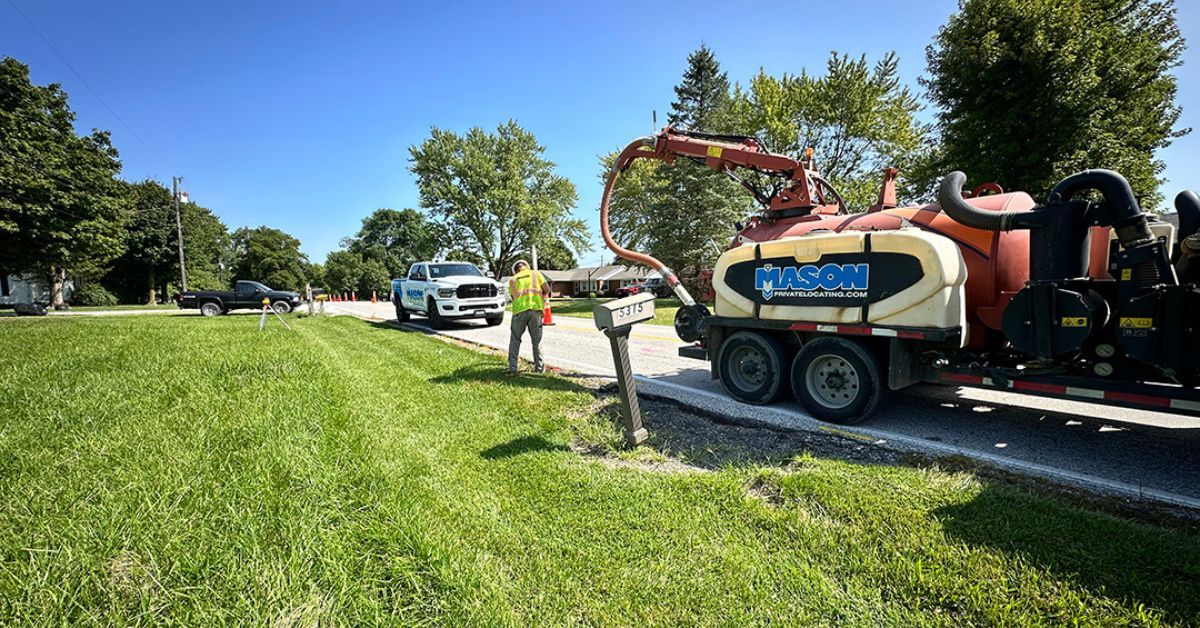
When a water main breaks in January, speed is essential to prevent widespread icing and service loss. Mechanical excavation in this scenario is slow and risky; digging blindly into frozen mud near a bursting pipe invites further disaster. Hydro excavation facilitates rapid response.
Crews can deploy the truck, heat the water, and quickly and safely expose the break. The vacuum system also acts as a pump, removing the leaking water from the pit simultaneously as it digs. This provides repair crews with a dry, clean workspace to fix the line, drastically reducing the time customers are without service.
Environmental Maintenance
Winter storms bring debris, ice, and sludge that can clog municipal drainage systems. Blocked gullies and catch basins can cause roadway flooding and hazardous ice patches. Hydro excavation trucks double as powerful cleaning units.
The vacuum system can clear leaves, trash, and ice buildup from storm drains and culverts, allowing for proper drainage during thaw cycles. This application extends to clearing environmental damage where hazardous materials may have mixed with snow or frozen soil; the vacuum contains the contaminants within the tank, preventing runoff into local waterways.
Infrastructure Projects
Large-scale infrastructure projects, such as rail track maintenance or basement expansions, rely on hydro excavation to keep schedules moving during winter. For rail lines, maintenance can require working in tight spaces where heavy machinery cannot fit or would damage the tracks.
Hydro excavation enables crews to locate signaling cables and clear ballast beneath the ties without disturbing the rail alignment. Similarly, for basement work or foundation repairs, remote excavation hoses allow the truck to remain on the street.
Environmental Benefits
Minimizing Site Disruption
Mechanical digging in winter typically requires a larger footprint. To break through the frost, operators make wider cuts, and the heavy equipment churns up the surrounding frozen landscaping. Hydro excavation, however, is surgically precise.
If a job requires a 12-inch hole, the operator digs exactly a 12-inch hole. This precision significantly reduces the amount of backfill necessary and preserves the surrounding vegetation and pavement. By minimizing the original disturbance, hydro excavation leaves a site requiring far less restoration.
Reducing Soil Contamination
In sensitive environments, controlling soil spread is a necessity. Traditional digging piles soil next to the trench, where it can mix with surface snow and run off into storm drains during a thaw. The vacuum system in hydro excavation creates a closed loop.
The excavated soil travels directly from the ground into the debris tank. This containment is essential when working in areas with potential contaminants or in urban environments where muddy runoff poses public safety hazards.
Why Hydro Excavation Wins the Winter
The comparison between traditional mechanical digging and hydro excavation in cold weather is not close. Mechanical methods struggle against the physics of freezing temperatures, resulting in higher risks, slower progress, and increased damage. Hydro excavation leverages thermal physics, turning freezing conditions into a manageable variable rather than a work-stopping obstacle.
For construction and utility operations requiring precision and safety in cold weather, hydro excavation is the superior method. If you need cold-weather hydro excavation services, Mason Private Locating (MPL) can help. Contact MPL today to learn how our specialized services can deliver the solution you need for your winter operations.