When planning any digging or excavation project, calling 811 is a step you simply shouldn't skip. It's a critical service that protects everyone in the project, provides essential safety measures, and ensures compliance with local laws.
Regardless of whether you're a contractor overseeing a large-scale construction project or managing ongoing maintenance work, 811 is an indispensable resource. But the service doesn't cover everything you may find underneath the surface. Below, our complete guide will explain what utilities the 811 service locates and which ones it doesn't.
Understanding 811 and Safe Digging Practices
811, also known as the "Call Before You Dig" hotline, plays a central role in the excavation and construction industries. It connects you to public contract locators responsible for identifying and marking public underground utility lines at no cost. These markings help to prevent accidental damage while digging, upholding the safety of workers on-site and the general public.
Whether you're planting a tree, building a new structure, or repairing existing infrastructure, 811 is a necessary step for any project that involves breaking ground. Every state in the US enforces laws relating to utility location and excavation, making it mandatory to notify 811 before digging. Safe digging practices are legal obligations to minimize risks tied to buried utilities.
Overview of Utilities Located by Public Locators
811 primarily focuses on marking public utilities. These include lines and systems that utility companies maintain and that are on public or shared properties, including sidewalks, streets, or easements. Below are some of the primary utilities that the locators will mark for you via the 811 service.
Natural Gas Lines
Damage to gas lines can result in hazardous leaks or explosions. Identifying these lines lowers the risk of these environmental and safety hazards.
Electric Cables
Underground electrical lines carry high voltages, making accidental damage potentially life-threatening. Proper markings safeguard workers during excavation.
Water and Sewer Lines
These lines supply regular water and transport waste. A rupture could cause serious environmental contamination and service outages.
Communications and Fiber Optic Lines
Internet, telephone, and cable services rely on underground lines. Damaging them could lead to local communication blackouts.
How To Use 811: A Step-by-Step Guide
One of the benefits of using the 811 service for utility locating is it's incredibly easy to use. It takes only a few simple steps for anyone to have utility locators on their site in a short time.
Make the Call
Dial 811 a few days before the start date of your digging project. Most states recommend notifying the service at least two to three business days in advance.
Provide Project Details
Share specific information, including the location of your project, its scope, and the type of work you will be doing. Clear, concise details are essential for effective marking.
Wait for Utility Markings
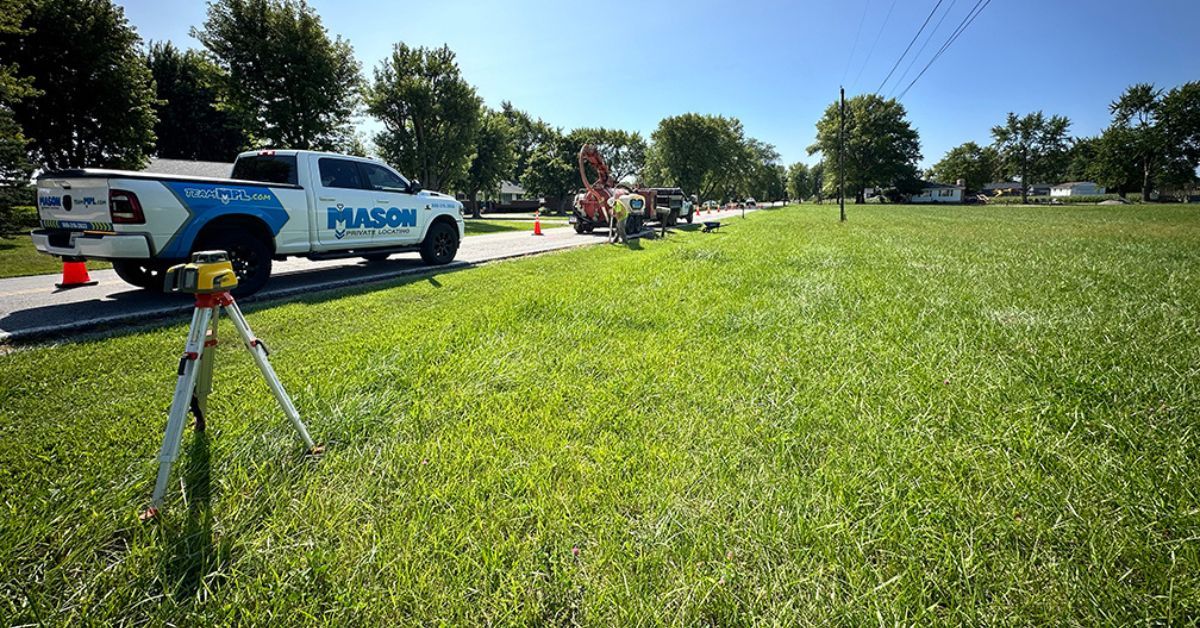
Once the service logs your project, locators will be notified to mark underground utilities at your specified site using color-coded paint or flags. For example, red indicates electric power lines, while yellow marks gas and oil.
Review Markings Thoroughly
Before beginning your project, examine the markings carefully. Confirm they don't interfere with your planned excavation areas.
Dig With Care
Even after marking utilities, dig cautiously. Equipment damage from improper handling can still occur, especially near utility boundaries.
The Importance of Calling 811 Before Any Digging Project
Accidental utility damage has significant consequences, ranging from personal injury to extended legal disputes and hefty fines. Excavation and construction projects damage utilities all the time, and many of these incidents stem from a failure to call 811 first.
Beyond safety concerns, calling 811 protects your project timeline and budget. Hitting an unmarked utility could delay construction for days or even weeks, causing unplanned expenses for repairs, legal fees, and disrupted operations. By proactively reaching out to 811, you certify your jobsite remains hazard-free while adhering to state-mandated safety regulations.
Consequences of Not Calling 811
Failing to call 811 is a textbook example of cutting corners and taking unnecessary risks. For one, you could compromise the safety of your team, particularly if you encounter electrical or gas lines. Injuries or fatalities from such incidents are not just tragic but also entirely preventable.
Financially, damaging utilities can cripple your operation. Repairing damaged lines involves costly emergency services from utility providers, and you could face fines for non-compliance with state laws. Beyond the immediate costs, damaging utility lines will delay your project indefinitely due to investigations and repairs, tarnishing your reputation with clients and stakeholders.
Common Misconceptions About 811
Our complete guide has covered what utilities the 811 service locates, but it doesn't find everything beneath the surface. A frequent misunderstanding is the assumption that the service's contracted locators mark all utilities, including private lines. However, 811 applies only to public utilities.
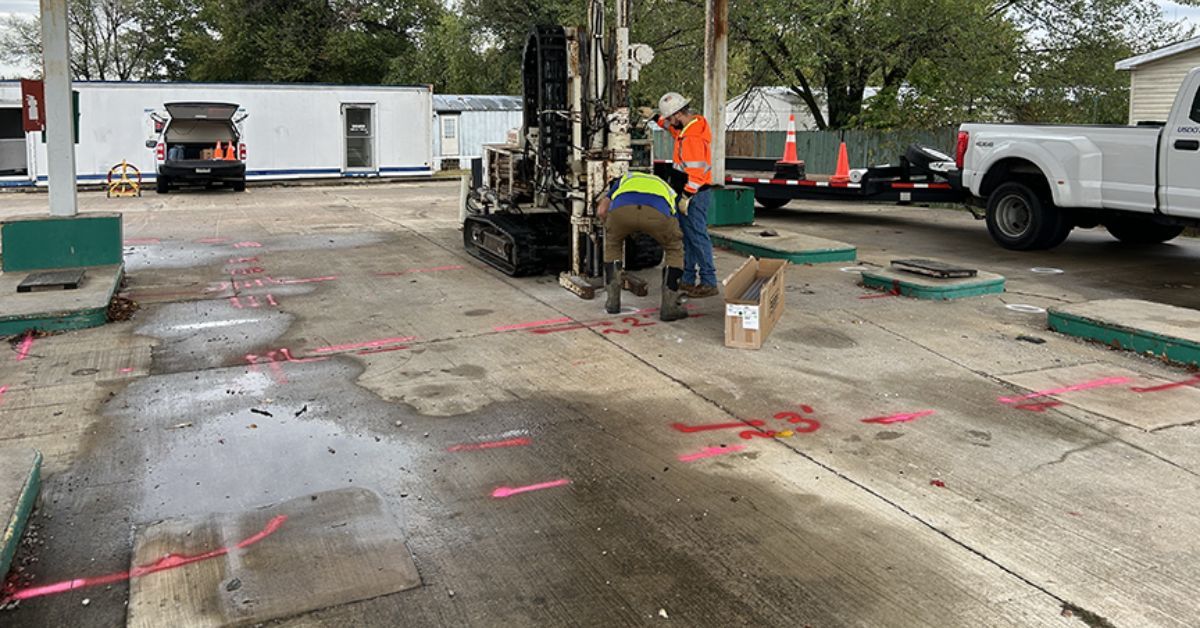
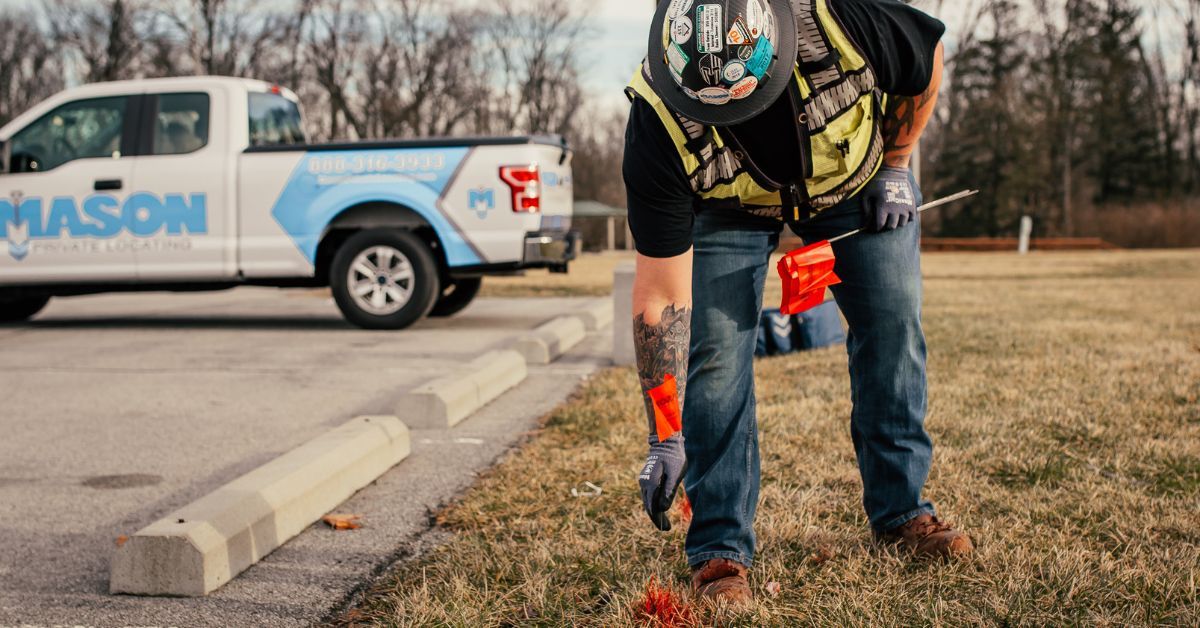
Underground irrigation systems, septic tanks, and electrical lines running directly between buildings fall under private ownership and responsibility. For these lines, planners must enlist utility locating services from a private utility locating group, like Mason Private Locating (MPL).
Why Private Utility Locating Matters
For private utilities, calling 811 alone is not enough. This is where MPL comes in. Using state-of-the-art equipment, such as ground-penetrating radar (GPR), MPL ensures the identification of all private utilities at your site with precision and accuracy.
MPL's expertise extends beyond traditional utility locating. Our service covers complex underground systems that are not included in public records, offering complete assurance that no hazards lie undetected. Beyond equipment, our team brings decades of training and expertise to ensure your project runs smoothly from start to finish.
Promoting Safety, Precision, and Compliance With MPL
Implementing 811 and private locating services like MPL is a crucial step for every excavation project. Together, these services provide comprehensive coverage, eliminating blind spots and protecting both workers and the public. Preventing utility damage isn't just a technical necessity; it's a moral imperative toward safer, more efficient construction practices.
By recognizing the value of thorough utility detection that includes public and private lines, you can mitigate risks, reduce project expenses, and enhance your reputation as a responsible contractor or project manager. Take the first step in safe digging practices by calling 811 today and contacting MPL for all private utility marking needs.