
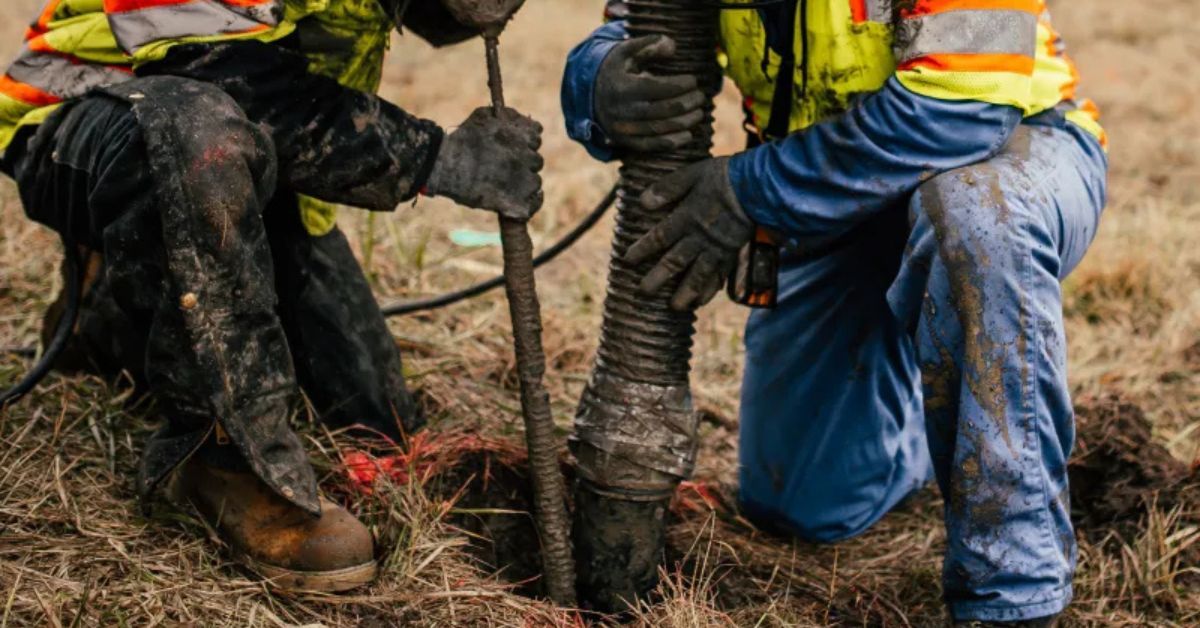
When executing construction projects that necessitate digging near underground utilities, the excavation method is a critical decision that can determine project success. The two primary methods, air excavation and manual excavation, each present distinct advantages and limitations that project managers must carefully evaluate. Below, we'll help you determine which method is best, air or manual excavation, for your project by breaking down the fundamentals of each, their advantages, and more.
Manual Excavation Fundamentals
Manual excavation employs traditional hand tools and human labor for the removal of soil and the exposure of subterranean utilities. The process necessitates considerable physical exertion and is highly dependent upon operator proficiency and experience. Workers must exercise extreme caution when excavating near utility infrastructure with smaller hand tools. This methodical approach facilitates immediate tactile feedback upon encountering subsurface obstructions.
Initial phases of manual excavation projects typically involve utility locating services to delineate the approximate positions of subterranean conduits. Subsequently, workers utilize hand-digging techniques to create small test holes, also known as "potholes," to precisely verify utility locations and depths. Manual methods enable the exposure of confined sections of buried infrastructure without the necessity of heavy machinery or specialized vacuum excavation equipment.
Understanding Air Excavation Technology
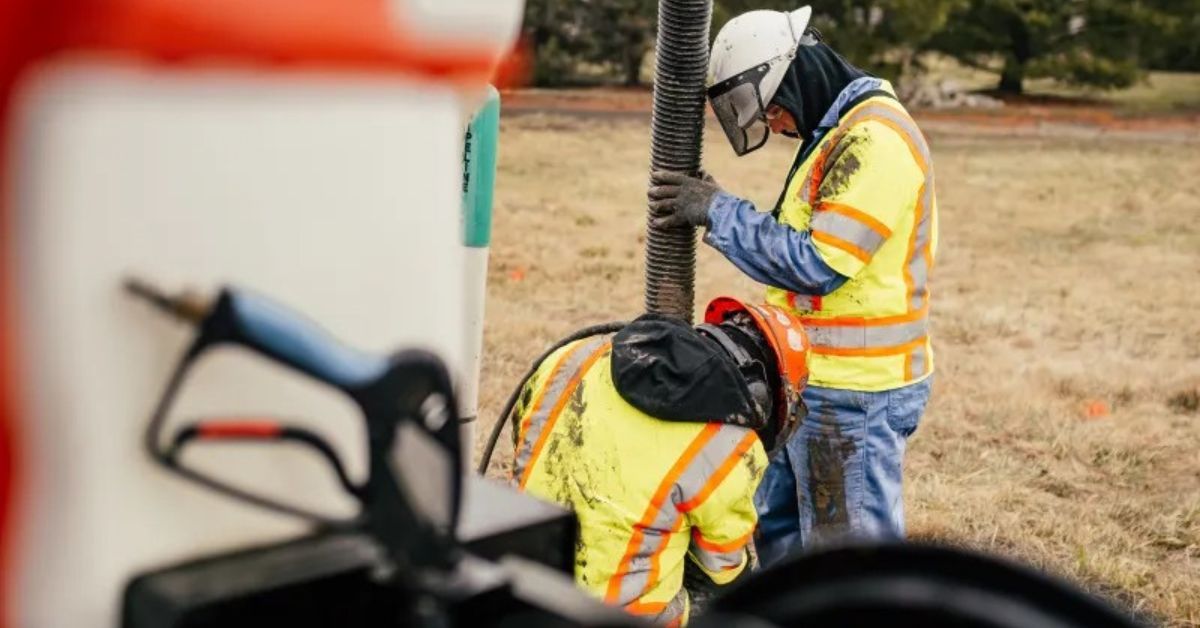
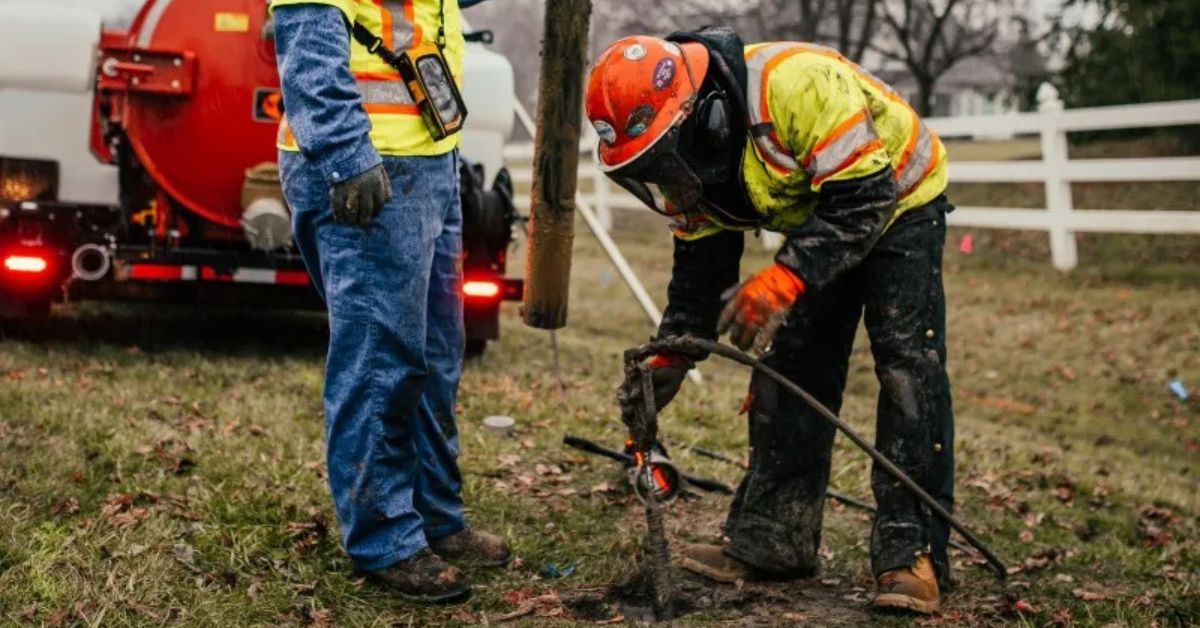
Air excavation is a methodological approach for the safe exposure of subterranean utilities and infrastructure. This technique employs vacuum excavation equipment that integrates high-pressure air jets with powerful suction systems. The operational process involves directing concentrated air streams to effectively loosen the soil without damaging nearby utilities, cables, or pipelines. Simultaneously, a robust vacuum system extracts the loose materials, transporting debris to collection tanks.
Mason Private Locating's (MPL) vacuum excavation services exemplify this non-mechanical approach, providing a less invasive alternative to conventional digging methodologies. This technology facilitates precise excavation around sensitive infrastructure, thereby preserving the structural integrity of adjacent utilities and significantly mitigating the risk of accidental utility strikes prevalent in traditional excavation projects.
Advantages of Air Excavation Systems
There are many benefits to construction teams and environmental engineers utilizing air excavation. Air and hydro vacuum excavation is precise, safe, and less disturbing to the surrounding environment.
Precision for Subsurface Infrastructure
Air excavation systems provide exceptional precision when working in proximity to underground infrastructure. This technology mitigates damage to existing utilities, pipelines, and communication cables through its non-contact excavation methodology. In contrast to mechanical digging implements, which possess the potential to puncture or compress buried conduits, compressed air meticulously displaces soil without direct contact with sensitive subterranean elements.
Reduced Backfilling Requirements
The inherent precision of vacuum excavation substantially decreases subsequent backfilling demands. Excavated soil retains a relatively undisturbed composition, allowing its frequent reuse as backfill material. This eliminates the need to import supplemental soil for site restoration.
Worker Safety
Air excavation is also much safer for workers than manual excavation. The technology eliminates direct human interaction with potentially hazardous buried utilities, reducing the incidence of electrical shock, gas exposure, or other utility-associated injuries. Operators can maintain secure distances from excavation zones, controlling equipment remotely from a safe area.
Operational Versatility
Air excavation systems exhibit considerable versatility across a diverse spectrum of project applications. The same equipment effectively facilitates confined space excavation, sewer line clearance, tree root management, subterranean structural work, and environmental maintenance operations. This multi-purpose capability renders vacuum excavation an invaluable asset for contractors managing varied project portfolios.
Accelerated Material Removal Rates
The rate of material removal achievable with air excavation frequently surpasses that of manual methodologies, particularly when operating within loose or granular soil compositions. High-capacity vacuum systems can displace significant volumes of debris quickly and accelerate project completion schedules.
Water Excavation Technology
Along with air excavation, MPL can also conduct water vacuum excavation. Water excavation, also known as hydro excavation, is a highly accurate and efficient method of removing soil using pressurized water and a vacuum system. The process involves directing a stream of water to break up the ground, which a vacuum immediately suctions up into a debris tank.
This method minimizes the likelihood of damaging underground utilities, pipelines, and other critical infrastructure, making it a preferred approach for sensitive excavation tasks. Its precision and adaptability make it ideal for projects in urban settings, in frozen soil, or in environments that require meticulous excavation techniques.
The Benefits of Water Excavation
Hydro excavation offers numerous advantages, making it a reliable and efficient method for excavation projects. Its non-invasive approach significantly reduces the risk of damaging underground utilities, as water breaks apart the ground gently without harming cables, pipes, or conduits, ensuring critical infrastructure remains intact. By eliminating the need for heavy machinery or manual digging in challenging conditions, it also promotes a safer work environment, reducing the risk of mechanical accidents and ensuring compliance with safety standards.
The precision of hydro excavation makes it ideal for projects requiring small, controlled dig sites, minimizing unnecessary soil displacement and disruptions. It is also particularly effective against compact or frozen soil, where heated water easily penetrates dense materials. Hydro excavation is also eco-friendly, using minimal water and producing less waste, thereby reducing environmental impact and supporting sustainable practices.
Selecting the Right Excavation Method
Now that we understand air, water, and manual excavation, which is best for your project? Determining between air, water, and manual excavation is contingent upon a comprehensive assessment of various project-specific factors. These include the scale of the project, environmental conditions, geological characteristics of the soil, and stringent safety protocols.
Project Scale and Application
The financial justification for air or water vacuum excavation systems, typically aligns with large-scale projects necessitating extensive utility exposure. Smaller verification procedures or localized investigations may achieve greater cost-effectiveness through manual methods.
Precision and Infrastructure Sensitivity
Projects involving sensitive infrastructure benefit from the precision and safety attributes of air and water excavation techniques. The demonstrable reduction in potential utility damage and the elevation of worker safety often supersede the investment in the equipment. This consideration is particularly salient when evaluating the potential financial implications of infrastructure damage or project delays.
Site Access and Environmental Constraints
Limitations pertaining to site access and environmental conditions are critical determinants in method selection. Confined operational zones or areas with restricted equipment ingress may necessitate the deployment of manual approaches. Conversely, open environments with unhindered equipment access are optimal for vacuum excavation.
Soil Composition and Efficiency
Soil characteristics also influence the operational efficacy of excavation techniques. Dense clay soils, for instance, may impede the efficiency of air excavation, whereas unconsolidated or sandy conditions favor the application of vacuum technologies. Project managers must conduct a thorough soil analysis during the planning phases to optimize method selection.
Safety and Hazard Mitigation
Safety is always a priority, particularly when conducting operations near hazardous utilities or within inherently dangerous environments. The remote operational capabilities of air and water excavation, along with its reduced direct worker exposure, frequently position it as the preferred choice for high-risk applications.
Find Excavation Services at Mason Private Locating
The judicious selection of an excavation method is critical to the safety, efficiency, and economic viability of construction projects. Another key factor when determining an excavation method is finding a vacuum excavation company you can rely on. That decision is easy, as Mason Private Locating provides air and water excavation services featuring advanced vacuum technology and experienced technicians. Contact our staff today to learn more about our services and find out which excavation method is best for your project.