
Vacuum excavation is rapidly changing the way construction projects approach digging tasks. For a long time, traditional excavation methods such as manual digging or mechanical equipment dominated project sites. While effective, these methods often posed risks, including damaging underground utilities, causing unnecessary disruptions, and jeopardizing worker safety.
Vacuum excavation has emerged as a safer, more efficient, and more environmentally friendly alternative to traditional excavation methods. If you'd like to learn more about vacuum excavation, you've come to the right place. In this guide, we'll explain what you need to know about vacuum excavation, including the benefits of utilizing it for construction work.
Understanding Vacuum Excavation
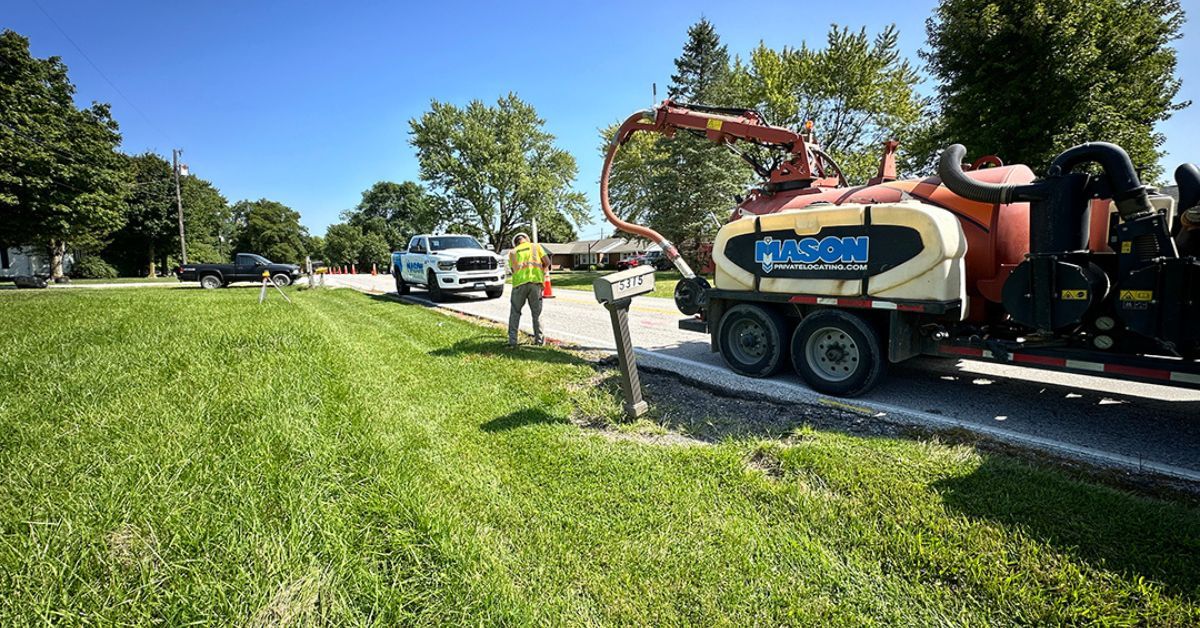
Before we get into the benefits, it's essential to understand what vacuum excavation entails. This advanced method uses powerful vacuum equipment and either air or water jets to loosen soil and extract it from the excavation site.
The vacuum system safely removes the debris into a containment unit, making the process non-invasive and far less damaging than traditional digging. This technique, also known as "daylighting" or "non-destructive digging," allows for the precise detection of buried utilities while minimizing risks to assets and personnel.
Hydro Excavation
While vacuum excavation typically entails the use of air jets to loosen soil, there is also hydro excavation. Hydro excavation companies, like Mason Private Locating (MPL), utilize pressurized water to break up soil before extracting it with a powerful vacuum system.
While both methods share the goal of non-destructive digging and safe utility exposure, hydro excavation specifically relies on water as the excavation medium, making it ideal for colder climates where air-based systems may be less effective. This precision-driven approach guarantees minimal ground disturbance, reduces risk to underground assets, and enhances safety for on-site operations.
Vacuum Excavation Applications
Vacuum excavation has a wide range of applications, particularly in the construction industry. One of its most common uses is to locate underground utilities such as gas lines, water pipes, and electrical cables before excavation begins, reducing the risk of utility strikes and certifying compliance with safety regulations.
This technique is also invaluable during trenching and potholing tasks, where accuracy and minimal disturbance are critical. Vacuum excavation is also common for infrastructure projects, such as road construction or bridge repairs, to remove debris or access buried structures without causing damage to surrounding areas. Its efficiency and non-destructive nature make it an essential tool for construction and engineering projects of all scales.
Advantages of Vacuum Excavation for Construction Sites
One of the reasons that vacuum excavation is so common for construction work is the many advantages it offers over traditional digging for workers and project managers. Below are some of the major benefits of utilizing vacuum excavation in construction.
1. Minimizes the Risk of Utility Damage
One of the primary advantages of vacuum excavation is its precision. Traditional methods risk accidentally striking or damaging underground utilities such as pipelines, power cables, or fiber optics.
These incidents can cause expensive repairs and create hazardous consequences like leaks or power outages. Vacuum excavation eliminates this threat by allowing controlled and delicate digging around sensitive infrastructures.
2. Offers Precise and Non-Invasive Digging
Unlike aggressive methods like mechanical trenching or drilling, vacuum excavation provides incredible precision. The air or water jets can target specific areas with minimal disruption to the surrounding soil, so that diggers only excavate the area they're targeting. This makes vacuum excavation ideal for projects requiring high accuracy, such as potholing, slot trenching, or locating isolated utilities.
3. Compliance with Safety and Regulatory Standards
Construction projects are subject to rigorous safety and environmental regulations, particularly when working near utilities. Vacuum excavation aligns seamlessly with these standards by providing a non-destructive alternative that prioritizes worker safety and environmental preservation. Many governing bodies now recommend vacuum excavation as a best practice for projects near buried utilities.
4. Speeds Up the Excavation Process
Time is critical on any construction site, and delays can cause significant financial losses and logistical headaches. Vacuum excavation is safer and faster than traditional digging methods.
With equipment capable of loosening and extracting soil simultaneously, vacuum excavation accelerates project timelines. This efficiency safeguards excavation-related tasks against bottlenecks in the overall project schedule.
5. Reduces Overall Project Costs
Damages to utilities during excavation mean unexpected project costs from repairs, delays, and operational disruptions. Vacuum excavation significantly reduces these risks with its impressive precision and safety.
Also, since vacuum excavation disrupts less soil than traditional excavation, there's less need for extensive backfilling and restoration, further saving costs. With vacuum excavation, project managers save time and money.
6. Enhances Worker Safety
Traditional digging methods expose workers to the possibility of striking hidden utilities or working in unstable trenches. Vacuum excavation addresses these risks by creating a safer environment.
Workers no longer must rely on physically intensive digging or operate heavy machinery in confined spaces. Along with reducing injury risks, this method promotes a culture of safety on construction sites.
7. Excels in Tight or Confined Spaces
Construction sites aren't always wide open areas. Some projects occur in tight or crowded spaces where traditional machines cannot safely operate.
For such cases, vacuum excavation is an ideal solution for mass removal of dirt in confined areas. Vacuum excavation equipment, including remote excavation systems, can access hard-to-reach areas with long hoses, bringing unmatched flexibility to challenging projects.
8. Improves Utility Locating and Planning
Vacuum excavation supports effective utility locating by providing precise information about the depth, location, and size of underground infrastructure. This accuracy allows project managers to plan their excavation and construction activities with confidence. Having this level of detail reduces unexpected surprises and enhances strategic planning, ultimately leading to seamless project execution.
9. Supports Environmental Protection
Vacuum excavation protects the surrounding environment by limiting soil disruption and preventing unnecessary terrain damage. It's also less intrusive to vegetation, utilities, and nearby structures.
Unlike aggressive excavation machinery, vacuum systems maintain soil integrity, so task managers can re-use the machinery on-site. These characteristics make it a preferred choice for green construction projects and environmentally sensitive sites.
10. Facilitates Cleaner and More Efficient Excavation
Traditional excavation can cause the scattering of large amounts of debris around a work site, which then requires extensive cleanup. Vacuum excavation eliminates this issue with its integrated containment system that stores soil and debris in a controlled environment. This means cleaner excavation areas, reduced cleanup efforts, and improved overall efficiency on-site.
MPL's Vacuum Excavation Services
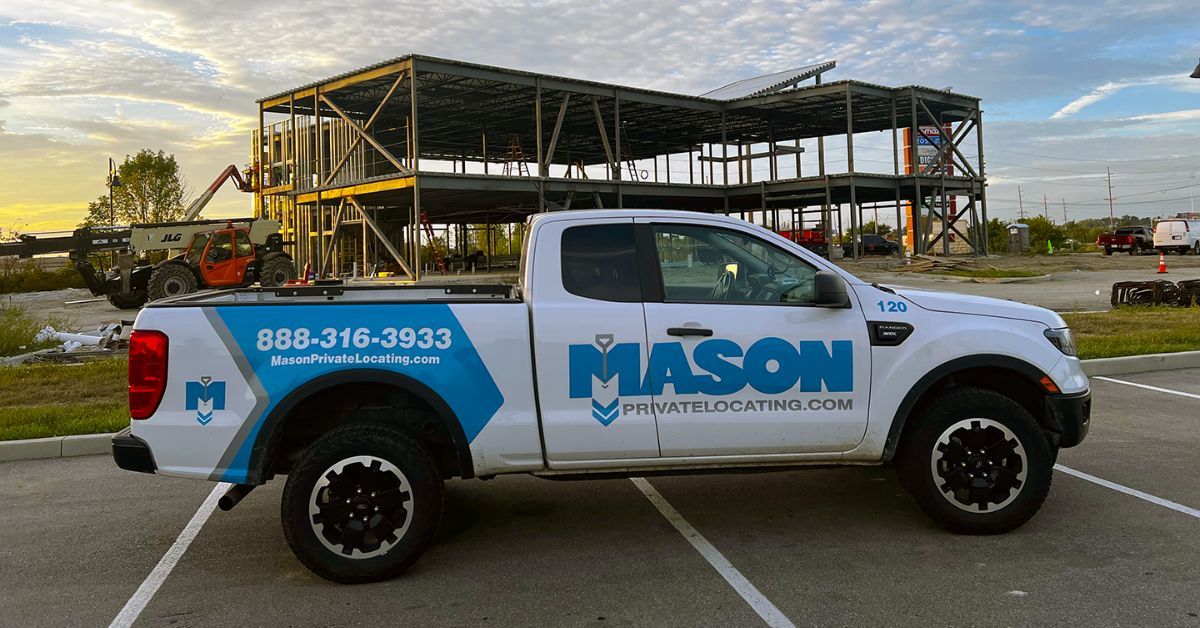
Now that you understand the many advantages of vacuum excavation for construction, why not consider it for your next project? At MPL, we leverage cutting-edge vacuum excavation technology to provide unmatched precision and safety for your construction projects.
Our skilled teams specialize in non-destructive digging techniques, ensuring the protecting of utilities without compromising operational efficiency. From utility locating to confined-space excavation, we have the expertise and equipment to handle projects of any scope.
Revolutionize Your Next Construction Project With MPL
The benefits of vacuum excavation are clear. From safeguarding underground utilities to enhancing efficiency and reducing costs, this modern excavation method is transforming the construction industry. By opting for vacuum excavation, you're protecting assets and creating a safer and more efficient work environment.
If you're ready to unlock the benefits of vacuum excavation for your next project, MPL is here to help. Request a consultation today and experience the future of non-destructive digging.